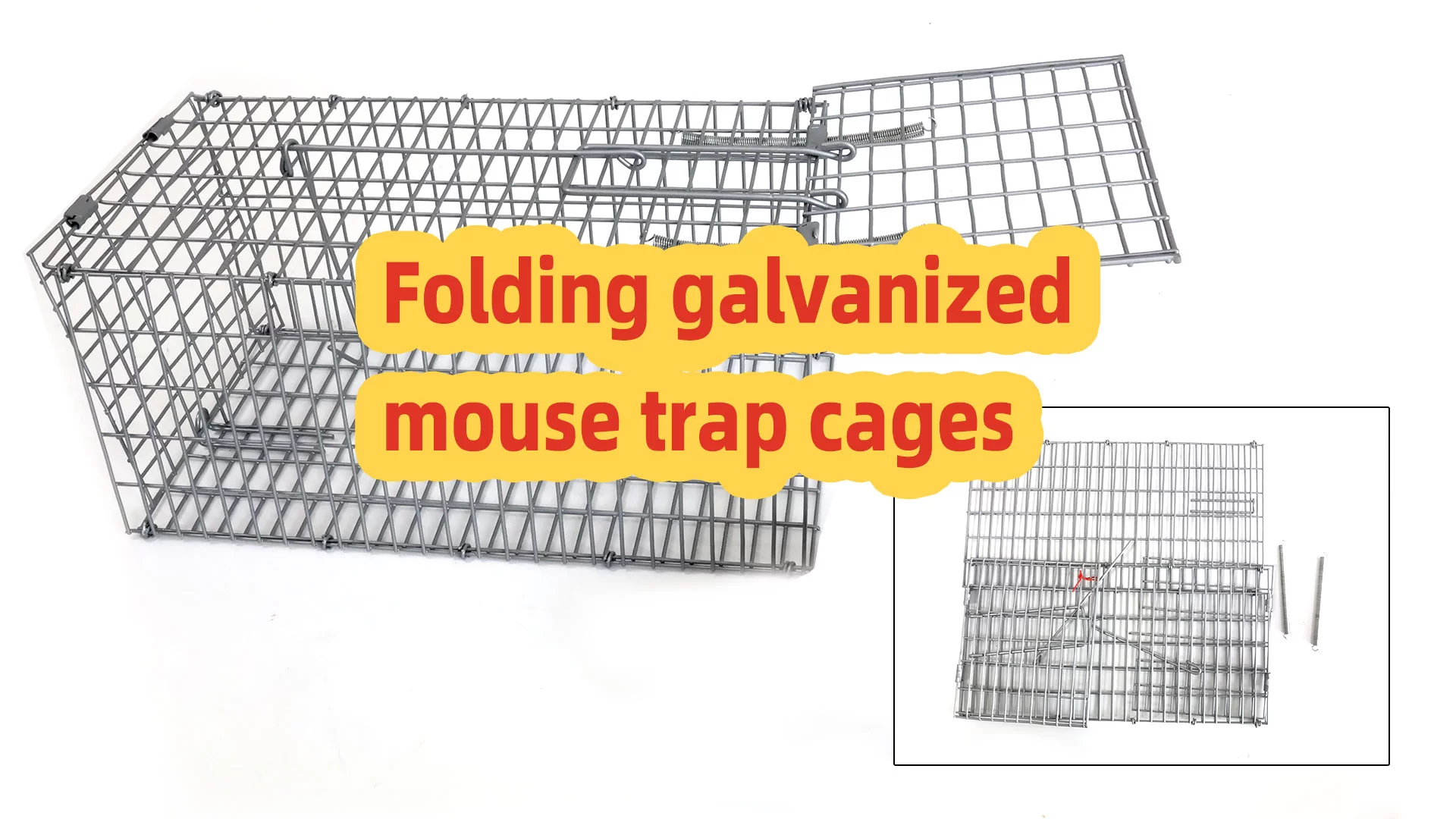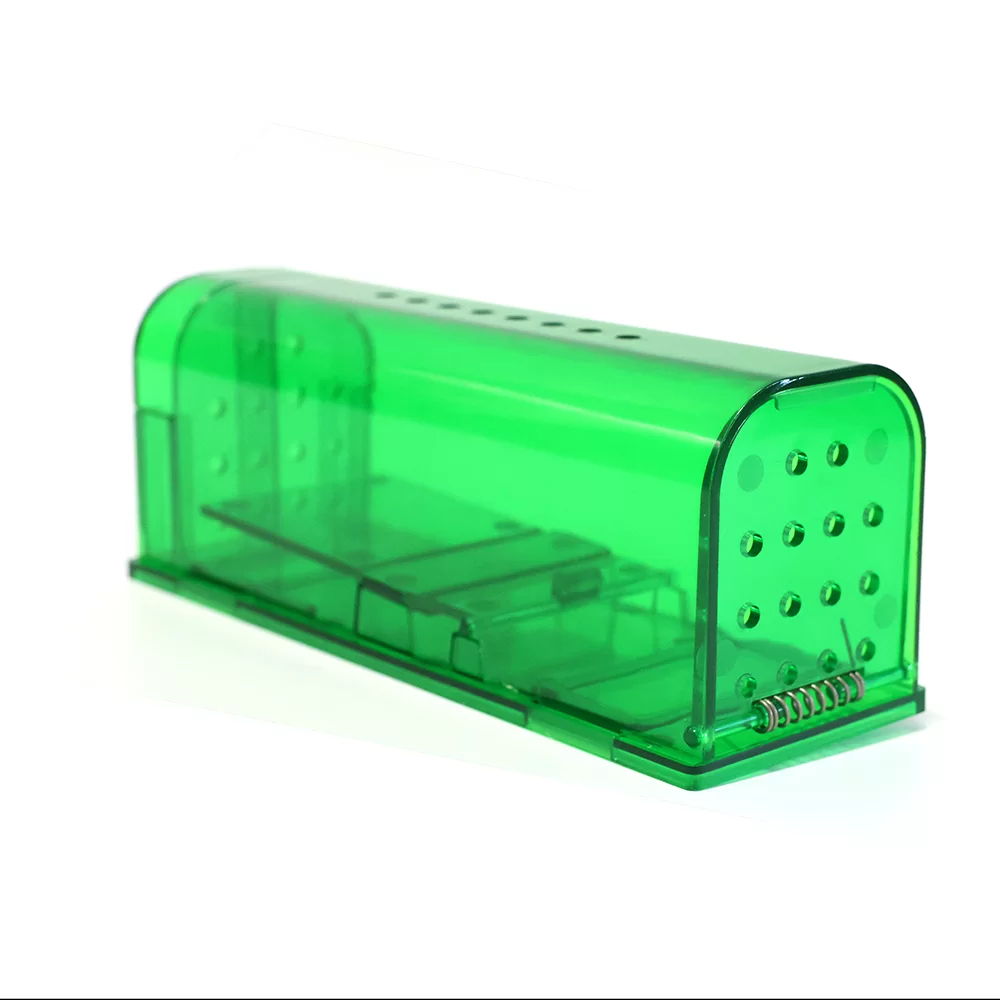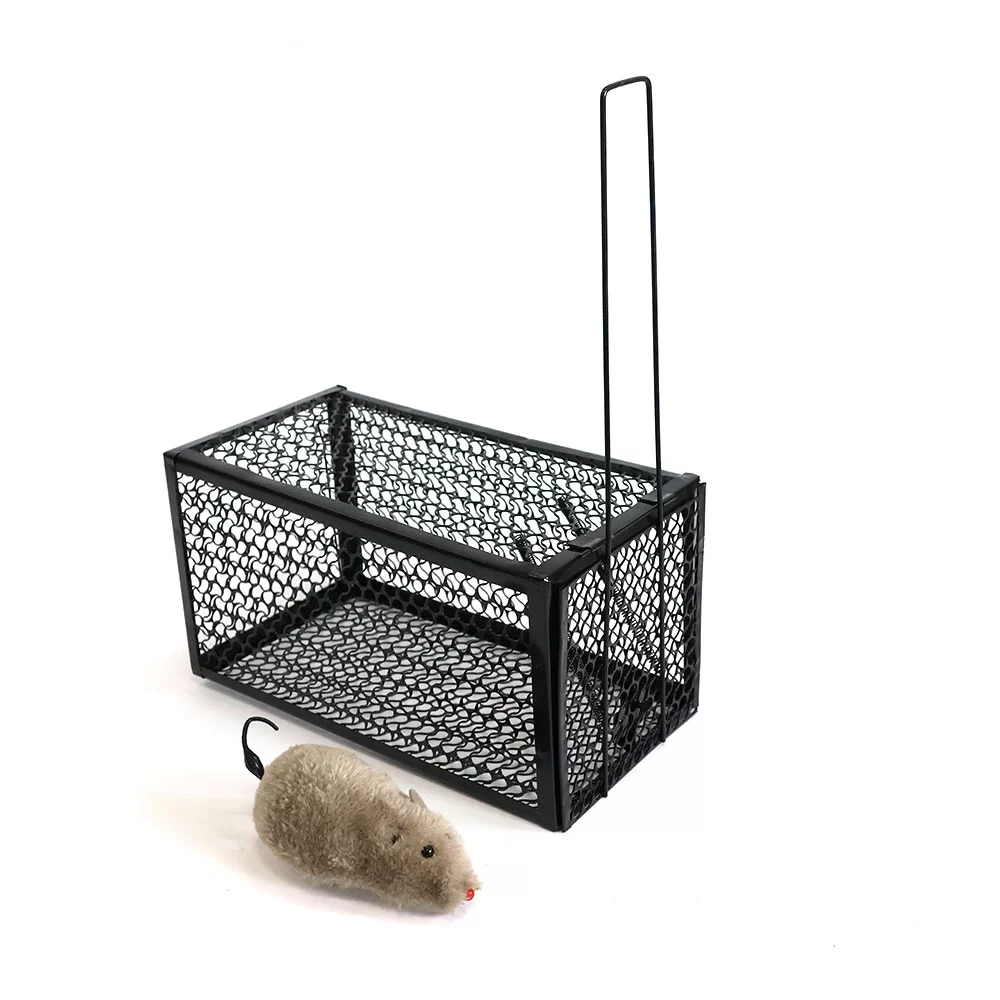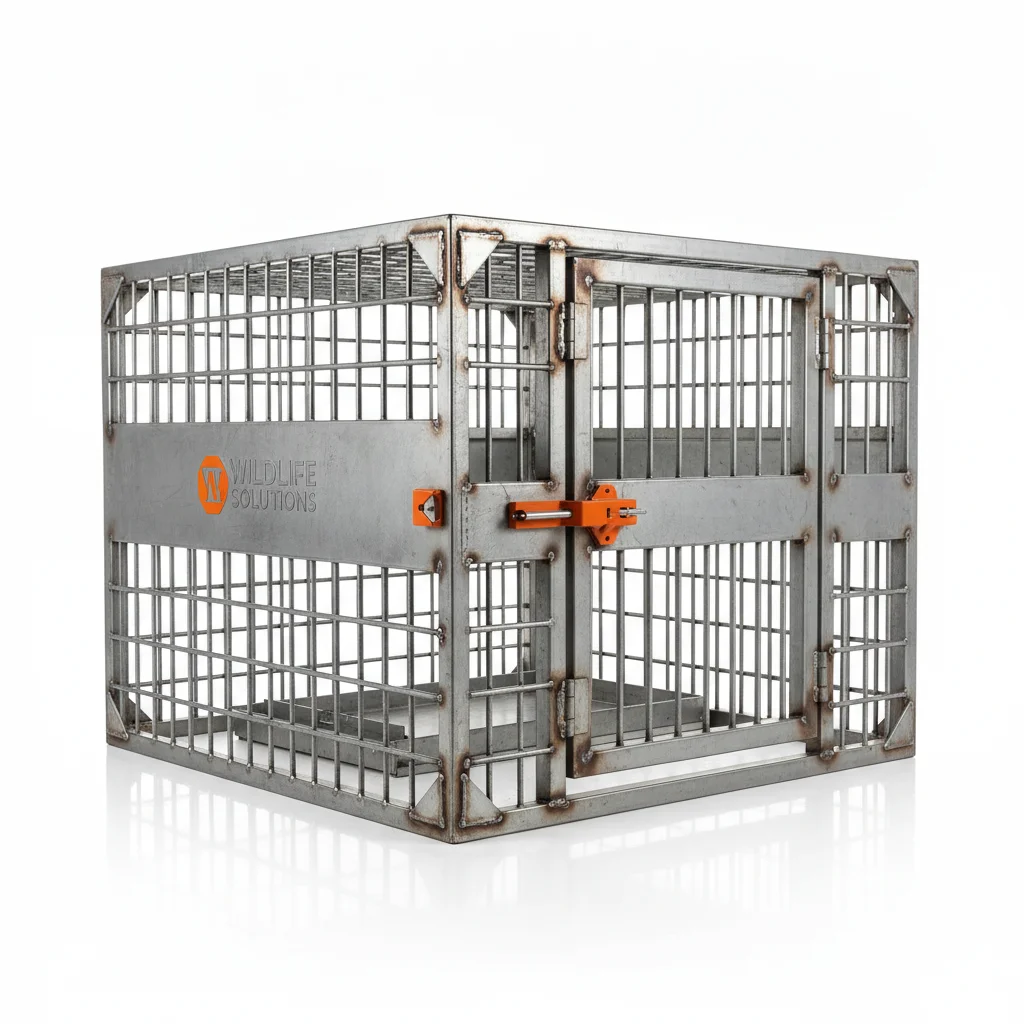
Large live animal traps represent a critical yet often overlooked component of modern wildlife management, conservation efforts, and even public safety initiatives. Their increasing importance stems from a global need for humane and effective methods for managing animal populations, facilitating research, and responding to human-wildlife conflict. Understanding the nuances of these traps – their design, deployment, and ethical considerations – is paramount for professionals and citizens alike. The relevance of large live animal traps extends across diverse geographical regions and industries. From supporting wildlife research in the Amazon rainforest to mitigating crop damage by elephants in Africa, these tools play a vital role in maintaining ecological balance. Globally, the World Wildlife Fund estimates that human-wildlife conflict costs billions annually, underscoring the necessity for effective, non-lethal management strategies, of which live trapping is a key element. The benefits of properly utilized large live animal traps are multifaceted. They offer a humane alternative to lethal control methods, facilitate valuable data collection for conservation scientists, and allow for the relocation of animals away from areas of conflict.
As an essential household item in bathrooms, bedrooms and balconies, standing towel rack not only needs to meet the basic function of towel storage but also pursue structural stability and durability.

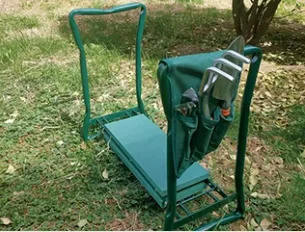
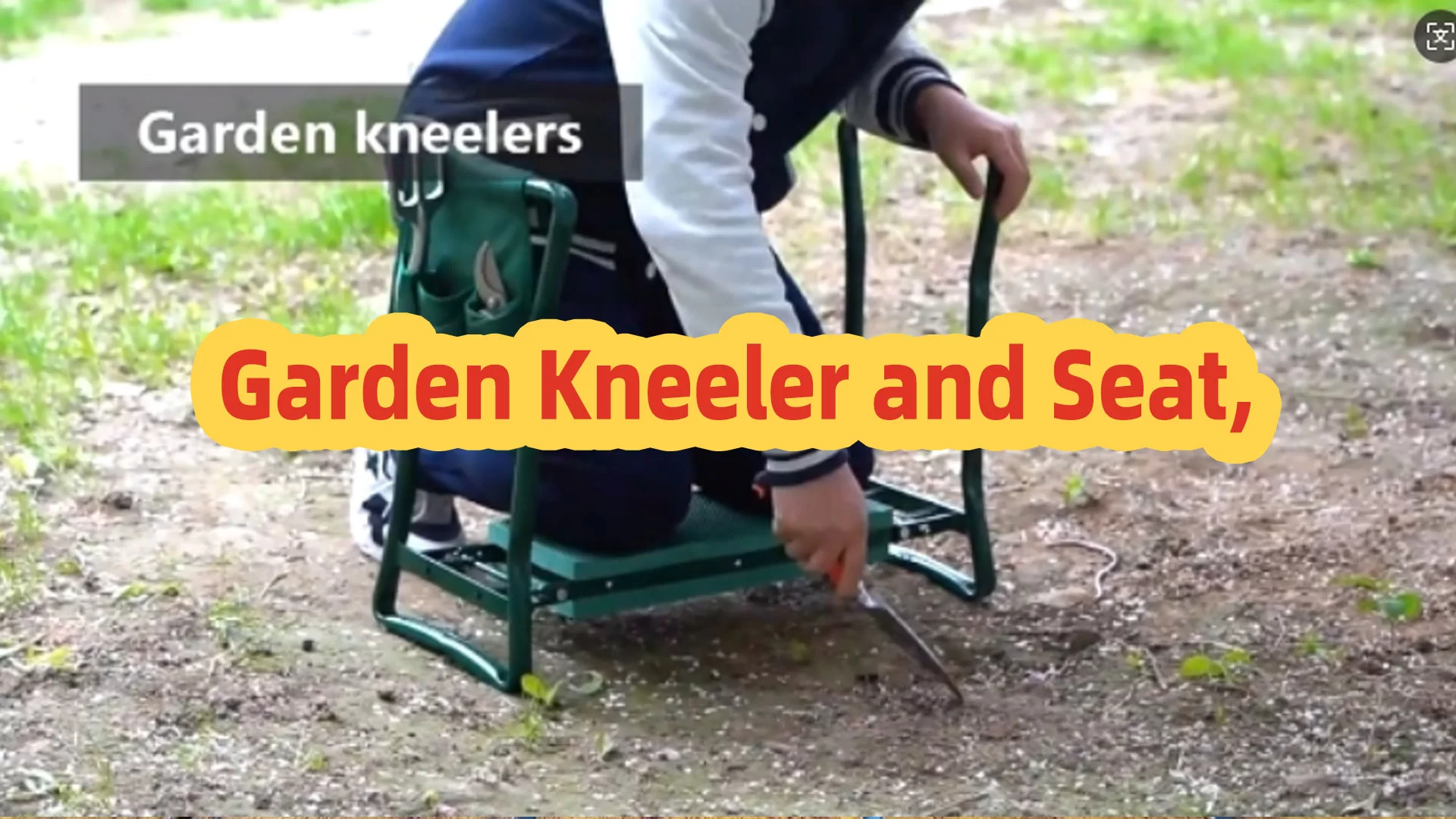
The gentle ache in the knees after a morning spent weeding the flowerbeds, the stiff back that protests when straightening up from planting seedlings, the reluctant search for a dry spot to rest on the grass—these are sensations familiar to every gardener.