Yellow Sticky Trap Price: What to Expect in Industrial Applications
Having spent years knee-deep in the industrial equipment world—especially in pest control solutions—I can tell you that the yellow sticky trap price is one of those deceptively simple details that can make or break a project. You think, “Sticky traps are cheap, right?” Well, yes and no. They may look straightforward, but when you’re buying in bulk or with specific requirements, the cost can vary widely.
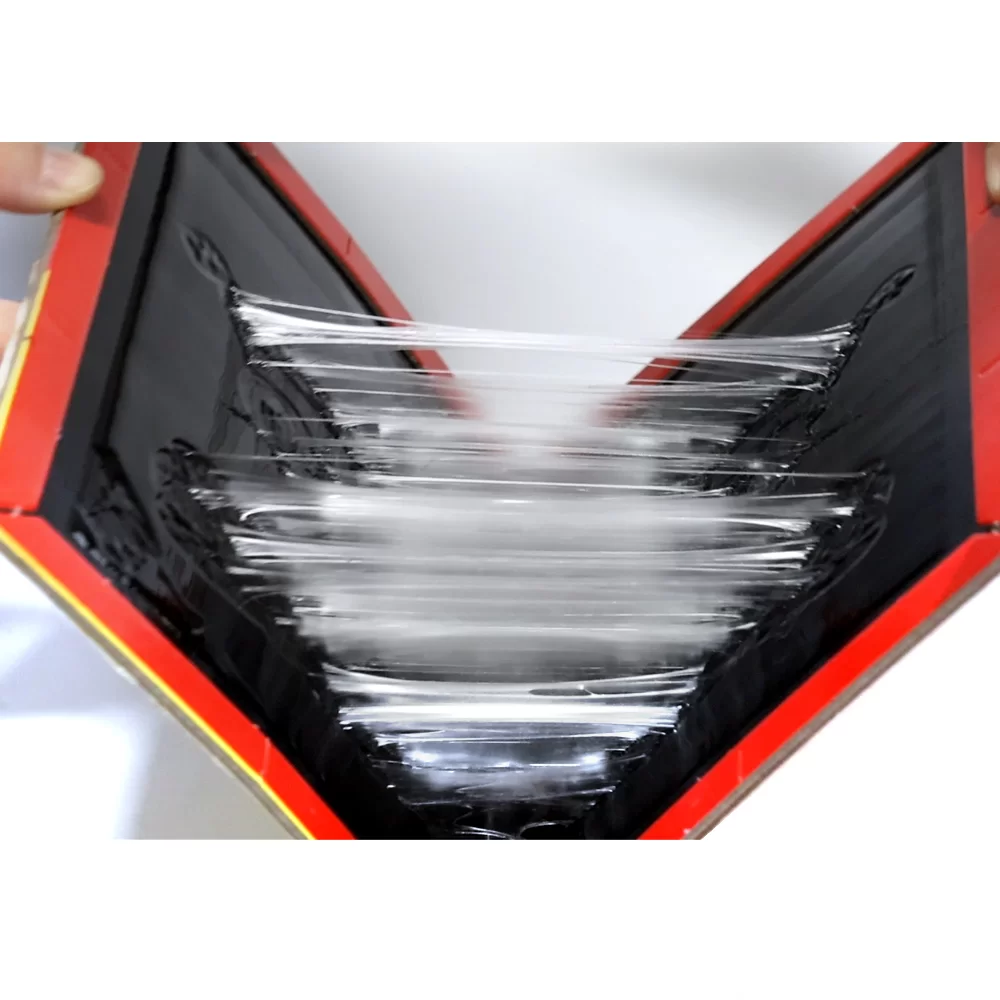
In real terms, yellow sticky traps are designed to lure specific insects using that bright yellow pigment, which (oddly enough) many pesky flying bugs find irresistible. But once you add up the materials, adhesive quality, size, and durability standards—plus, if you want eco-friendly variations—the price starts reflecting those subtleties. From my experience, it’s best to think beyond the unit price and consider what you’re really getting. Durability and stickiness pay off in the long run by reducing replacements and labor hours.
Understanding Product Specifications
Here’s a quick snapshot of what a typical yellow sticky trap looks like on paper:
| Specification |
Details |
| Dimensions |
20 x 25 cm (standard size) |
| Adhesive Type |
Non-toxic, insect-specific tack |
| Material |
Durable cardboard backing with UV-resistant coating |
| Shelf Life |
Up to 12 months if stored properly |
| Intended Use |
Indoor and greenhouse insect monitoring |
Comparing Industry Vendors on Price and Value
It’s interesting how vendors approach pricing. Some go ultra-budget, offering basic yellow sticky traps at rock-bottom prices but skimp on adhesive quality or durability. Others add a premium for tested performance or eco-certifications. From chatting with colleagues, I noticed there's no one-size-fits-all answer—you have to balance price with what really matters for your application.
| Vendor |
Unit Price (USD) |
Bulk Discounts |
Eco-Friendly Options |
Warranty/Guarantee |
| HB Archer Fish |
$0.85 |
10% off 500+ units |
Yes |
12 months |
| GreenLine Supplies |
$0.72 |
5% off 300+ units |
Only some models |
6 months |
| InsectPro |
$0.95 |
15% off 1000+ units |
Yes |
18 months |
One memorable project comes to mind. A greenhouse client swore by using low-cost sticky traps initially. But they kept having to replace them every month due to adhesive failures in humid conditions. Switching to a slightly more expensive, heavy-duty option from a trusted supplier cut their labor costs by nearly half. Kind of a classic “buy cheap, buy twice” scenario.
Personally, I like to test different options in real environments before sealing any large deals. You get a feel for how the traps behave—stickiness, color fading, and durability aren’t always obvious specs on paper. Plus, if you’re into customization (like adding company logos or QR codes for tracking), some vendors charge a premium but it’s often worth it for professional setups.
So, when considering yellow sticky trap price, keep in mind the bigger picture: material quality, adhesive reliability, vendor support, and bulk buying terms. Frankly, it's not just about finding the cheapest sticker but the one that really holds up in your environment.
In short, don’t let the small price tag fool you—sticky traps have their quirks. But when chosen wisely, they can be an efficient, eco-friendly, and cost-effective part of any pest management arsenal.
A good sticky trap is like a loyal workhorse: quietly doing its job day in and day out, as long as you pick one up to the task.
References
- Industrial Pest Management Journal, 2022: "Adhesive Technologies in Sticky Traps"
- Greenhouse Grower Forum, 2023: "Choosing the Right Insect Monitoring Tools"
- Personal communication with HB Archer Fish technical team, 2024