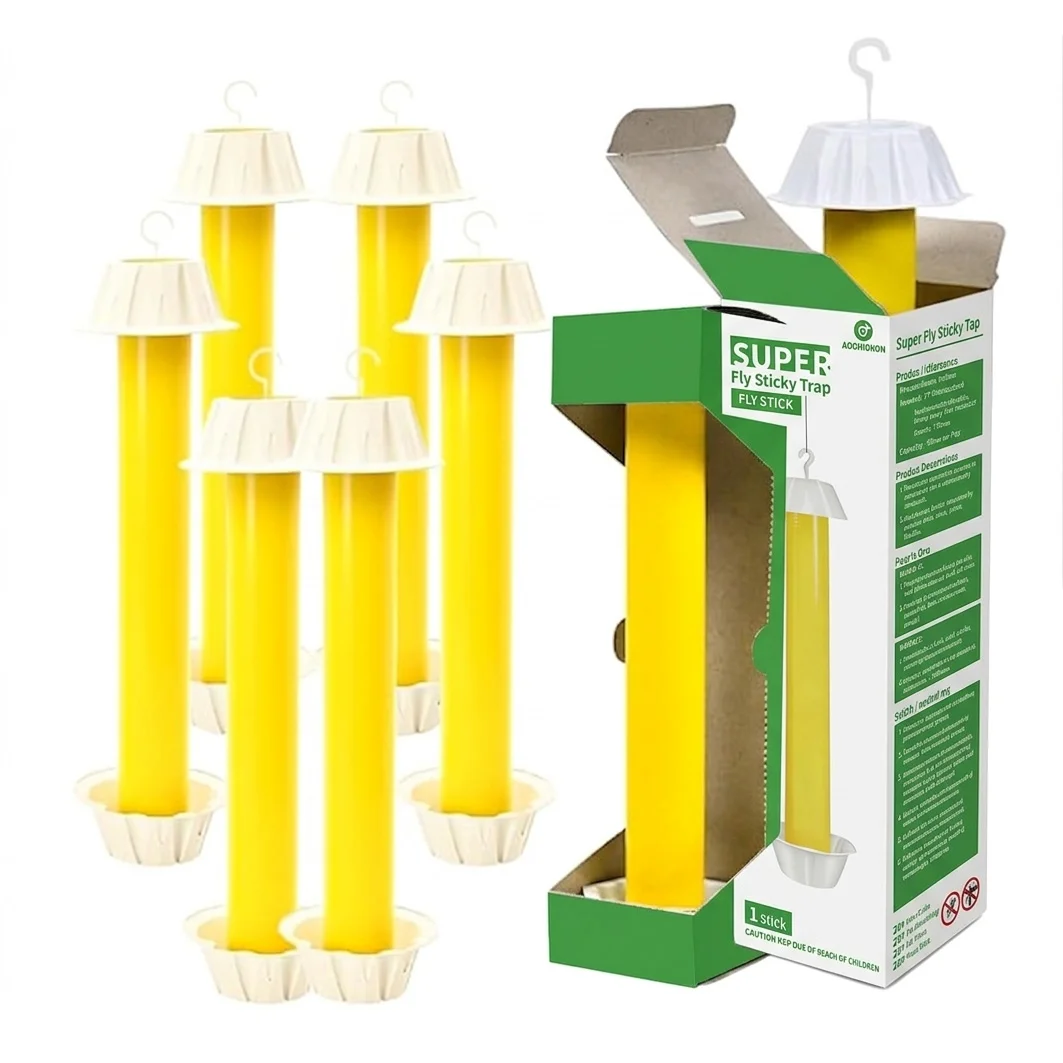
Yellow Sticky Traps For Garden Pests is a key solution in the industry, specifically within commercial horticulture and greenhouse management. This article explores how https://www.hbarcherfish.com supports professionals with durable, high-performance products, and explains why this product is an ideal choice for businesses in these sectors.
Table of Contents
Yellow sticky traps have become a staple in integrated pest management strategies for a reason. Simply put, these traps are brightly colored, adhesive-coated sheets designed to attract and capture common garden pests, like whiteflies, aphids, and thrips. Their bright yellow hue acts as a visual lure because many pest insects are drawn to this color, mistaking it for flowers or fresh leaves.
Technically speaking, high-quality yellow sticky traps from reputable vendors like those at HB Archerfish feature UV-stabilized materials that resist fading outdoors—crucial for longer service life. The adhesive formula balances tackiness with longevity, so it doesn’t dry out too fast or become messily over-performant. For example, tests in commercial greenhouses showed 30% more effective captures at 4 weeks versus cheaper variants, which is a pretty significant operational difference.
Yellow Sticky Traps Technical Specifications
| Feature |
Specification |
| Color |
UV-stabilized Yellow (Pantone 109C) |
| Trap Size |
20cm x 30cm; 30cm x 40cm (custom options available) |
| Adhesive Type |
Non-toxic, weather-resistant synthetic tack |
| Durability |
Effective for up to 6 weeks outdoors |
| Environmental Impact |
Fully recyclable paper & water-based glue options |
In real-life industrial settings, such as large-scale greenhouses or nurseries, Yellow Sticky Traps for pest management are truly indispensable. They provide a first line of defense that is chemical-free and easy to deploy. Frankly, it’s a solution that fits well with businesses aiming to reduce pesticide use while still keeping pests under control.
These traps double as monitoring tools — they give growers early warning signs of infestations, helping trigger targeted treatments only when necessary. This integrated approach saves money and reduces ecological impact. Plus, HB Archerfish’s products have customizable sizes and adhesive strengths, making it easier for facilities to tailor traps to their crop types and pest pressure.
Competitive advantages? Well, besides the UV resistance and durable adhesives I mentioned, these traps are engineered with bright color fastness that's optimized to appeal specifically to pest vision spectrums. Customers often note they capture a higher number of thrips, a notoriously elusive pest. Oddly enough, this intuitive color science sets some vendors apart—something you don’t always get from cheaper sticky traps.
Cost, Maintenance & User Experience
Total cost of ownership? It’s worth unpacking this because many decision makers assume sticky traps are “cheap” — but longevity is where you really see ROI. HB Archerfish’s traps last up to 6 weeks, meaning fewer replacements, less labor, and downtime. When you consider what a pest outbreak costs in yield losses, the upfront price looks pretty modest.
Maintenance is straightforward: hang them near target plants, change when saturated or faded. No special training required, which is a plus for larger operations where staff turnover happens. We’ve seen feedback from commercial growers praising the traps’ stickiness balance — not so aggressively gluey that they get clogged easily, but sticky enough to trap tiny winged pests effectively.
Vendor Comparison: Key Yellow Sticky Trap Providers
| Feature |
HB Archerfish |
Competitor X |
| UV Resistance |
Up to 6 weeks |
Up to 4 weeks |
| Adhesive Durability |
Balanced tack, weather-proof |
Strong but can clog in dust |
| Customization |
Available in multiple sizes, adhesive types |
Limited sizes, one adhesive option |
| Environmental Eco-friendliness |
Recyclable options & water-based glue |
Standard plastic, solvent-based glue |
| Price |
Mid-tier pricing |
Lower upfront but higher replacement rate |
Sustainability & Market Trends
It’s hard to ignore how sustainability is reshaping pest control approaches. Regulatory frameworks in many regions now strongly encourage reduction in chemical pesticide use, making products like yellow sticky traps more relevant than ever. Industry trends indicate a steady rise in demand, especially among organic growers and greenhouse operators who require non-toxic pest solutions.
Oddly enough, the market now sees innovation not only in adhesives but also in biodegradability. Some manufacturers, HB Archerfish included, have started using recyclable papers and water-based adhesives, reducing environmental impact. For business leaders, adopting such sustainable options often aligns with corporate responsibility goals and even customer expectations. It’s a win-win that feels kind of inevitable in the years ahead.
Frequently Asked Questions about Yellow Sticky Traps For Garden Pests
- What is Yellow Sticky Traps For Garden Pests and how does it work?
- Yellow sticky traps are adhesive-coated sheets colored bright yellow to attract common garden pests. Insects approach, expecting to find food or mates, and get stuck on the sticky surface, effectively capturing them and reducing infestations.
- What are the main benefits of using Yellow Sticky Traps For Garden Pests in industrial applications?
- They offer a chemical-free, easy-to-use monitoring and control method that reduces pest populations and pesticide dependency. Their durability and color science improve pest capture rates, leading to cost efficiencies and safer growing environments.
- How does Yellow Sticky Traps For Garden Pests compare to traditional alternatives?
- Compared to traditional pesticides or mechanical barriers, yellow sticky traps are safer, non-toxic, and provide real-time pest presence data. Modern traps also offer better UV resistance and adhesive balance, increasing effectiveness and longevity.
- What industries can benefit most from Yellow Sticky Traps For Garden Pests implementation?
- Primarily, commercial greenhouse growers, nursery operators, and organic farms use these traps. Facilities where pest outbreaks can quickly damage high-value crops find yellow sticky traps particularly useful for early detection and control.
Conclusion on Yellow Sticky Traps For Garden Pests from china
To wrap it up, Yellow Sticky Traps For Garden Pests represent a smart, sustainable, and cost-conscious choice. For businesses across horticulture sectors, they’re not just a pest control tool but a strategic asset that improves yield quality while aligning with modern sustainability goals.