What Are Yellow Sticky Traps? A Practical Guide to Their Role in Pest Management
So, what are yellow sticky traps, really? If you work in agriculture, gardening, or even in warehouse management, chances are you've come across these vibrant yellow sheets coated in sticky adhesive. They might seem simple—just a bright yellow piece of paper or plastic—but their impact on pest control worldwide is surprisingly significant. Understanding how these sticky traps work, their global importance, and the benefits they offer can not only improve pest management practices but also contribute to more sustainable and eco-friendly solutions. Let’s dig in.
Introduction: The Global Context of Yellow Sticky Traps
Globally, pest management is a crucial challenge. The Food and Agriculture Organization (FAO) estimates that pests can destroy up to 40% of global food crops annually, posing a serious risk to food security. In fact, according to recent statistics from the UN, crop losses due to pests and diseases exceed $220 billion each year worldwide. This is exactly where yellow sticky traps come in as a simple yet effective technology. They’re widely used in greenhouses, farms, warehouses, and even public health settings to monitor and reduce pest populations.
The need for environmentally safe pest control is growing rapidly. Pesticide resistance, regulatory pressures, and consumer demand for organic produce push growers and industries toward integrated pest management (IPM). Yellow sticky traps play an essential role here by providing a non-toxic, chemical-free monitoring and control method that can reduce pesticide use.
Definition & Meaning: What Exactly Are Yellow Sticky Traps?
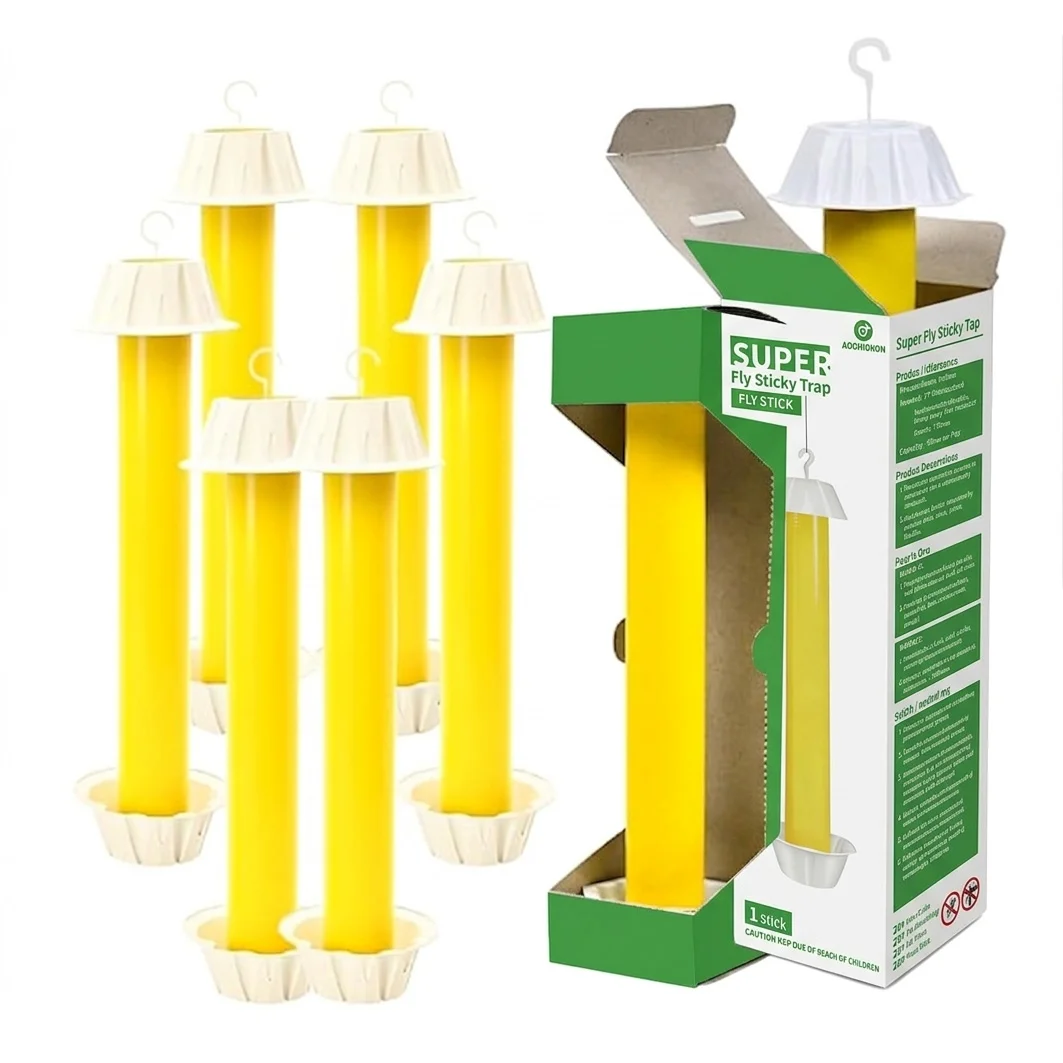
Simply put, yellow sticky traps are sheets or cards, usually fluorescent yellow, coated with a tacky adhesive on one or both sides. The color attracts various flying pest insects—like whiteflies, aphids, thrips, and fungus gnats—which then get stuck upon contact. These traps are a critical tool in Integrated Pest Management, allowing early detection and population monitoring of pest outbreaks without costly or toxic chemicals.
In modern agriculture and food processing industries, they help workers and pest managers visually detect problems before an infestation spirals out of control. Oddly enough, despite their humble appearance, these traps have become standard in many countries due to their efficacy and cost-efficiency.
Key Factors & Core Components of Yellow Sticky Traps
1. Color & Attraction
The bright yellow hue isn’t random—many flying insects are naturally attracted to yellow, associating it with flowers and food sources. This wavelength sensitivity is why the color is so effective.
2. Adhesive Quality
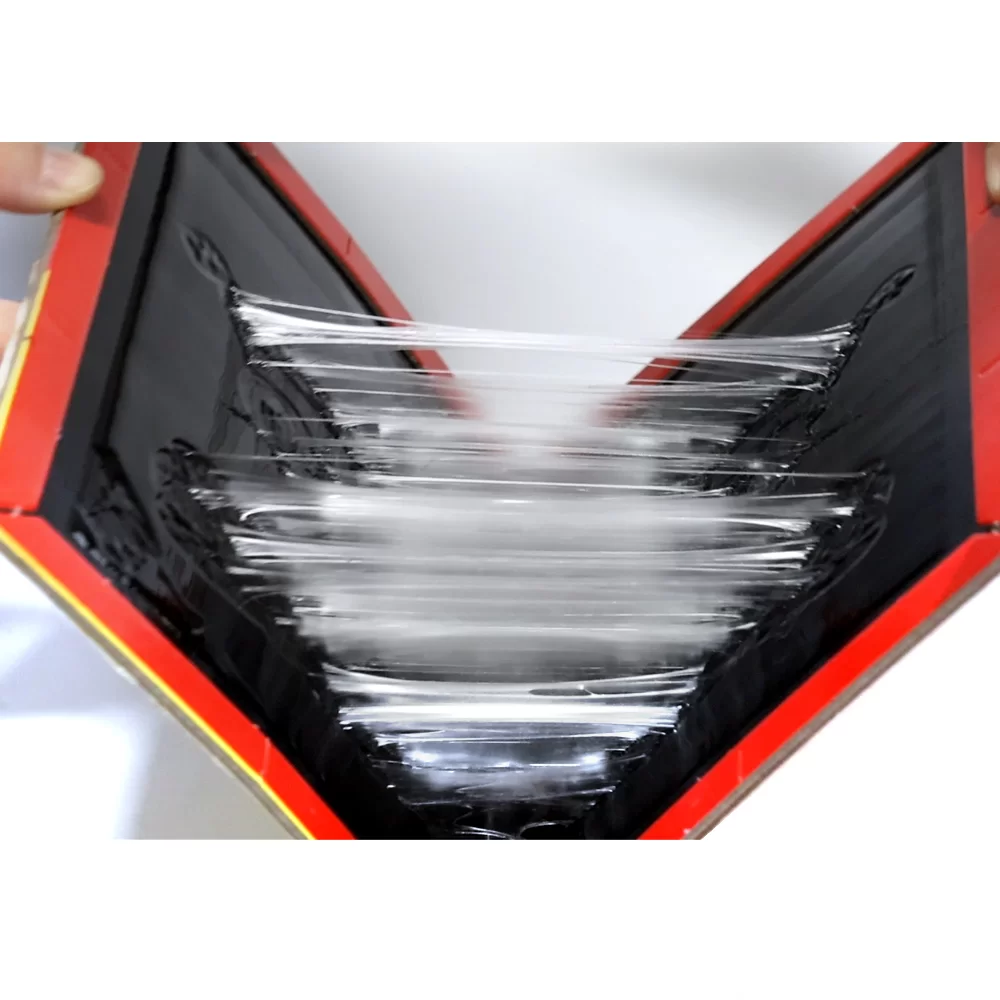
The stickiness needs to be strong enough to trap the insect but not so harsh that dust or debris quickly clogs it. Most traps use non-toxic, long-lasting adhesives that remain tacky for weeks.
3. Durability
Weather resistance matters, especially in greenhouse or outdoor environments. The backing materials often have a polypropylene or cardboard base to add rigidity and withstand moisture.
4. Size & Format
Traps come in various sizes, from small cards for pots to large hanging strips, making them scalable across different facilities or crops.
5. Ease of Use & Disposal
It's straightforward. Users hang or place the traps where pests frequent. Once covered or after a set period, they replace or discard the traps with minimal fuss.
Product Specifications at a Glance
| Feature |
Specification |
Notes |
| Color |
Fluorescent Yellow |
Optimized for pest attraction |
| Adhesive |
Non-toxic, tacky |
Long-lasting up to 4 weeks |
| Material |
Polypropylene or cardboard base |
Water-resistant, rigid |
| Size Options |
Small cards to large hanging strips |
Fits different crop or facility needs |
Global Applications & Use Cases
Across North America, Europe, and Asia, yellow sticky traps help greenhouses monitor whitefly and thrips populations, key pests that damage tomatoes, peppers, and ornamental plants. In the post-harvest food industry, warehouses use these traps to detect and control flies without resorting to insecticides, protecting both inventory and workers’ health.
NGOs and agricultural extension programs in developing countries rely on these traps for affordable pest surveillance in smallholder farms, linking farmers to integrated pest management methods. Sometimes, you’ll also find them used in urban contexts, like mosquito control programs that track flying insect densities to predict outbreaks of vector-borne diseases.
Interestingly, some regions with strict pesticide regulations, like the EU, push these traps into the spotlight because they allow farmers to demonstrate pest control compliance without chemical residues on produce.
Vendor Comparison: Popular Yellow Sticky Traps on the Market
| Brand |
Material |
Adhesive Durability |
Price per Unit |
Best Use Case |
| TrapPro |
Cardboard |
3 weeks |
$0.50 |
Greenhouse vegetables |
| EcoCatch |
Polypropylene |
4 weeks |
$0.75 |
Organic farms |
| StickyLeaf |
Cardboard |
2.5 weeks |
$0.45 |
Home gardening |
Advantages & Long-Term Value of Yellow Sticky Traps
One big advantage is that these traps help reduce pesticide use, which saves money, protects workers, and lessens environmental impact. They’re simple to use, require no special training, and provide real-time pest monitoring insights, allowing for timely interventions.
Socially, these traps support safer food production methods, preserving both the environment and consumer health. For farmers, there’s a sense of control and confidence knowing they can catch infestations early.
Future Trends & Innovations
What’s next? New materials for sticky traps are trending toward biodegradable substrates and adhesives that degrade naturally, cutting down waste. Some companies explore integrating sticky traps with digital image recognition to automate counting and species identification — an exciting leap toward smart farming.
In terms of policy, growing interest in sustainable agriculture strongly supports wider adoption of such non-chemical tools globally, encouraging innovation and standardization.
Challenges & Solutions
Of course, sticky traps aren’t a silver bullet. They mainly catch flying insects attracted to yellow, so some pests slip through. Also, adhesive surfaces can collect dust or leaves, reducing effectiveness. Weather conditions can thin out sticky efficacy outdoors.
Experts suggest regular replacement schedules, proper placement, and combining sticky traps with other IPM tools, like biological controls and crop management, to cover these gaps. Plus, product innovation continues to address these shortcomings.
FAQ: Frequently Asked Questions About What Are Yellow Sticky Traps
- Q: How often should yellow sticky traps be replaced?
A: Typically, every 3 to 4 weeks, or when the adhesive surface is covered with insects or dust. Replacement periods vary based on environment and pest pressure.
- Q: Are yellow sticky traps safe for pets and humans?
A: Yes. They use non-toxic adhesives and rely on physical trapping, making them safe around people and animals.
- Q: Can these traps catch all types of flying pests?
A: No, they primarily attract pests sensitive to yellow, like whiteflies and aphids. Other pests may require alternative methods.
- Q: How do I decide where to place yellow sticky traps?
A: Place traps near suspected pest hotspots such as greenhouse vents, crop canopy edges, or near light sources where flying insects aggregate.
Conclusion & Call to Action
Ultimately, yellow sticky traps are a quietly powerful tool in modern pest management: affordable, eco-friendly, and surprisingly effective. They play a crucial role in reducing crop losses, promoting sustainable agriculture, and supporting food security worldwide. If you want to learn more about their applications or get started with the right traps for your needs, do visit us at https://www.hbarcherfish.com. It’s worth a look!
Mini takeaway: Yellow sticky traps offer an accessible, chemical-free way to monitor and manage pest populations worldwide, embodying a small but mighty step toward sustainable farming.
References
- FAO Pest and Disease Management
- Wikipedia: Yellow Sticky Trap
- ISO 14001 Environmental Management